

SS Tactile Strip Supplier in Australia
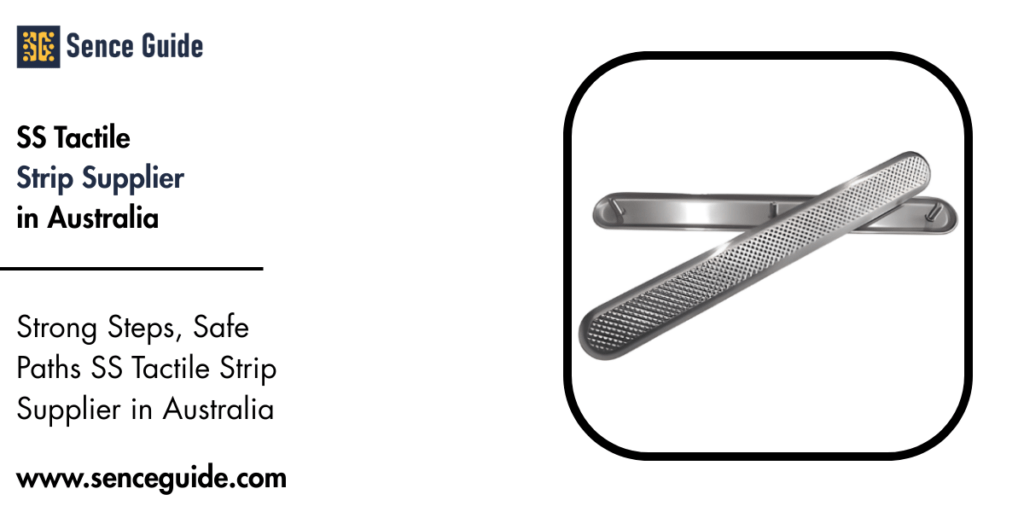
Table of Contents
Introduction
Founded in 2023, AS Enterprise is a Rajkot, Gujarat–based company dedicated to manufacturing high-quality accessibility and safety products. With a modern production facility and a skilled technical team, we ensure every product meets the highest standards of precision, durability, and performance.
Tactile strips are extremely important for public safety, accessibility, and efficient space navigation. From train stations to public buildings, these strips ensure that visually impaired people may travel safely and confidently. Among the greatest solutions available in Australia, stainless steel (SS) tactile strips are notable for their durability, beauty, and effectiveness. When it comes to dependable suppliers, AS Enterprise has become a household name among businesses, architects, and contractors across the country. We are the best SS Tactile Strip Exporter.
In today’s environment, safety and accessibility are more critical than ever. Whether in public spaces, business buildings, or transportation hubs, the correct safety solutions may make a significant difference. One such critical safety tool is the SS tactile strip, which is widely used in Australia to avoid accidents and increase accessibility for everyone, including visually impaired people.
What Are SS Tactile Strips
SS tactile strips, also known as stainless steel tactile strips, are specially engineered strips that are used on floors, stairs, ramps, and other walking surfaces to warn people about level changes or potential hazards. These strips are frequently rough or elevated, offering tactile feedback that can be sensed underfoot or with a cane. These tactile indications are essential for those with visual impairments, allowing them to navigate environments securely and autonomously. Beyond accessibility, SS tactile strips improve overall pedestrian safety by indicating edges, steps, and other potentially hazardous areas. We are the best SS Tactile Strip Supplier in India.
Why Choose AS Enterprise
1. Durability and Long-Lasting Quality
- Stainless steel tactile strips are exposed to constant foot traffic, harsh weather conditions, and sometimes chemical cleaning agents. A high-quality supplier provides strips that are manufactured from premium-grade stainless steel, ensuring:
- Resistance to corrosion and rust
- Strong wear and tear tolerance
- Longevity even in high-traffic areas
2. Compliance with Australian Accessibility Standards
- Australia has strict guidelines for accessibility, including the AS 1428.4.1 standards, which dictate the design, placement, and type of tactile indicators. A reputable supplier ensures that their products:
- Meet all national safety and accessibility regulations
- Are properly tested for tactile feedback and slip resistance
- Include accurate patterns and dimensions for maximum safety
3. Wide Range of Options
- Every project has unique requirements based on location, design, and traffic intensity. Leading suppliers in Australia provide a wide selection of tactile strips in terms of:
- Lengths, widths, and thickness
- Surface finishes (polished, brushed, or matte)
- Installation types (adhesive, screw-fixed, or embedded)
- Custom colours or patterns to match interior/exterior designs
4. Professional Installation Support
- A reliable SS tactile strip supplier doesn’t just sell products—they also guide you on proper installation techniques. Correct installation is crucial for:
- Ensuring the tactile strip remains securely in place
- Maintaining the intended tactile feel and pattern
- Enhancing safety for visually impaired users
5. Cost-Effectiveness Over Time
- While cheaper options may be available, investing in high-quality SS tactile strips from a trusted supplier proves more cost-effective in the long run. Benefits include:
- Lower maintenance costs
- Reduced replacement frequency
- Enhanced durability, which minimises long-term expenses
6. Experience and Expertise
- Working with an experienced SS tactile strip supplier brings the added advantage of industry knowledge. They can advise on:
- Optimal placement for maximum effectiveness
- Custom solutions for challenging spaces
- Latest innovations and materials in tactile technology
7. Supporting Local Australian Businesses
- Choosing a local supplier in Australia ensures faster delivery, easier communication, and local after-sales support. Local suppliers understand:
- Regional regulations and standards
- Climate and environmental factors affecting materials
- Local market trends and installation practices
8. Sustainability and Eco-Friendly Options
- Many modern SS tactile strip suppliers are now adopting environmentally responsible practices, including:
- Using recyclable stainless steel
- Minimising waste during manufacturing
- Offering products that comply with green building requirements.
9. After-Sales Service and Support
- Reliable suppliers don’t just provide products—they provide peace of mind. After-sales services may include:
- Maintenance tips for long-term durability.
- Replacement services for damaged strips.
- Consultation for future expansion or retrofitting projects.
10. Customisation and Design Options
- Every project has unique needs, whether it’s a commercial building, railway platform, or footpath. Leading SS tactile strip suppliers in Australia offer:
- Different sizes, shapes, and designs to match specific site requirements.
- Colour options for better visibility and aesthetics.
- Anti-slip surfaces and contrasting patterns for improved safety.
Applications of SS Tactile Strips
1. Public Transportation Hubs
- Railway stations, metro stations, and bus terminals are busy places with constant pedestrian movement. SS tactile strips are installed near platform edges, staircases, and boarding areas to prevent accidents. Their raised patterns provide tactile cues to visually impaired commuters, improving overall safety.
2. Shopping Malls and Commercial Complexes
- In shopping centres, tactile strips guide people along walkways and towards escalators, lifts, or exits. They also serve as visual and physical warnings near escalator edges, ramps, or steps. By installing stainless steel tactile strips, mall operators create an inclusive environment for all visitors.
3. Airports and Transit Areas
- Airports have large spaces with high foot traffic, and safety is crucial. SS tactile strips guide passengers from check-in areas to boarding gates, help them navigate moving walkways, and indicate emergency exits. Their corrosion-resistant properties make them perfect for areas exposed to moisture and heavy usage.
4. Educational and Healthcare Institutions
- Schools, universities, hospitals, and clinics often see diverse populations, including visually impaired students, patients, and staff. Installing tactile strips ensures safe movement within corridors, ramps, and entrances. They also act as a preventive safety measure, minimising slips and falls.
5. Industrial Facilities and Warehouses
- Factories, warehouses, and production units can be hazardous if safety guidelines are not followed. SS tactile strips can mark walking paths, highlight steps, and warn employees about machinery or loading zones. Their durability ensures they withstand heavy equipment and continuous foot traffic.
6. Outdoor Pathways and Parks
- Stainless steel tactile strips are weather-resistant, making them ideal for outdoor use. Parks, gardens, and public walkways can benefit from these strips, offering tactile guidance and enhancing pedestrian safety.
7. Pedestrian Crossings
- Urban roads often feature stainless steel tactile strips to indicate the start and end of pedestrian crossings. These strips help individuals with visual impairments identify safe crossing points, ensuring a safer urban environment.
8. Schools and Educational Institutions
- Educational institutions install tactile strips to ensure safe mobility for students and staff. Areas like staircases, ramps, and hallways benefit from tactile strips, helping prevent accidents and enhancing overall safety.
9. Hospitals and Healthcare Facilities
- In hospitals, tactile strips play a critical role in guiding patients, visitors, and staff safely. They are particularly useful in emergency exits, staircases, and corridors where quick navigation is essential.
10. Residential Buildings
- Residential complexes are increasingly integrating tactile strips in common areas such as lobbies, staircases, and garden pathways. This ensures inclusivity and safety for elderly residents and people with visual impairments.
11. Staircases and Ramps
- Stainless steel tactile strips are commonly installed on stair edges and ramps to warn people of a change in level. The raised surface provides both visual and tactile cues, reducing the likelihood of slips, trips, or falls.
12. Industrial and Commercial Kitchens
- Even industrial environments, such as commercial kitchens or manufacturing plants, benefit from tactile strips. Stainless steel is resistant to chemicals, heat, and frequent cleaning, ensuring safety in environments that experience high wear and tear.
Table of Specifications SS Tactile Strips
| Feature | Specification |
|---|---|
| Material | SS Tactile Strips |
| Width | 100mm, 150mm, 200mm (custom sizes available) |
| Length | 1m, 2m, 3m (cut-to-size available) |
| Surface Pattern | Dome, Ribbed, Custom |
| Finish | Brushed, Polished, Matte |
| Installation Method | Screws, Adhesive, Embedded |
| Slip Resistance | High (compliant with Australian safety standards) |
| Temperature Resistance | -20°C to 120°C |
| Durability | Long-lasting, corrosion-resistant |
| Maintenance | Easy to clean and maintain |
Benefits of Stainless Steel Tactile Strips
1. Superior Durability and Longevity
- Stainless steel tactile strips are built to last, even in heavy‑use environments such as transit stations, commercial buildings, or public spaces.
- Corrosion Resistance: Stainless steel withstands rust and oxidation, which is especially important in coastal regions of Australia, where salt‑laden air accelerates corrosion.
- High Wear Resistance: Heavy footfall, carts, or wheelchairs won’t degrade the surface quickly — meaning tactile strips stay functional and visually intact for years.
- Minimal Maintenance: Unlike plastic or painted alternatives, SS tactile strips require very little upkeep to maintain performance and appearance.
2. Enhanced Safety and Accessibility Compliance
- Australia has strict standards for accessibility — including requirements under the Disability Discrimination Act (1992) and relevant building codes (such as NCC/BCA and AS 1428 series).
- Meet or exceed regulatory requirements.
- Have correct tactile patterns, heights, and spacing.
- Are suitable for designated locations such as ramps, stairways, and platform edges.
3. Aesthetic and Design Flexibility
- Modern architecture often demands functional products that also enhance design quality.
- Sleek, professional finish that integrates well in high‑end commercial spaces.
- Available in brushed, polished, or matte finishes to match surrounding materials.
- Customizable colours and textures through infill options (e.g., colour-bond inserts, contrasting metals).
- Can be seamlessly integrated into tiles, concrete, timber, or stone‑finished floors.
4. Local Expertise and Faster Delivery
- Sourcing SS tactile strips from an Australian supplier brings key logistical and service benefits:
- Faster turnaround times and delivery compared with importing.
- Local support for product selection, technical specifications, and site assessment.
- Knowledge of local regulations and climatic challenges.
- Easier access to warranty support, replacements, and post‑sales service.
5. Cost‑Effective Over Lifecycle
- Although stainless steel products can have a higher upfront cost than PVC or aluminium alternatives, the total lifecycle cost is often lower because:
- Less frequent replacements due to superior durability.
- Lower maintenance expenses over time.
- Higher resale value for facilities that maintain premium finishes.
6. Custom Manufacturing and Tailored Solutions
- Many Australian SS tactile strip suppliers offer custom fabrication services, enabling:
- Special dimensions for unique architectural or retrofit applications.
- Combination solutions with integrated wayfinding systems.
- Colour contrast options for better visibility and compliance.
- Specific mounting methods to suit concrete, timber, or steel subfloors.
7. Better Warranty, Service, and Support
- Australian suppliers typically provide:
- Clear warranty terms, with support built into local regulations.
- Technical documentation for installation and maintenance.
- Expert advice available via phone, site consultation, or specification assistance.
8. Sustainability and Local Standards
- Local suppliers often work within environmental standards that align with Australian sustainability frameworks.
- Products manufactured under regulated environmental practices.
- Reduced carbon footprint from minimized international shipping.
- Easier auditing for green building certifications.
9. Integration With Broader Safety Systems
- A quality tactile strip supplier can support design teams in integrating tactile systems with other safety components such as:
- Handrails
- Guardrails
- Ramps and steps
- Public wayfinding signage
10. Trusted Expertise and Long‑Term Technical Knowledge
- Experienced Australian suppliers bring more than just products — they bring industry knowledge, helping professionals:
- Choose the correct grades of stainless steel (e.g., 304 vs 316) based on the environment.
- Understand installation nuances on different substrates.
- Predict performance and maintenance needs over time
Types of SS Tactile Strips
1. Raised Domes Tactile Strips
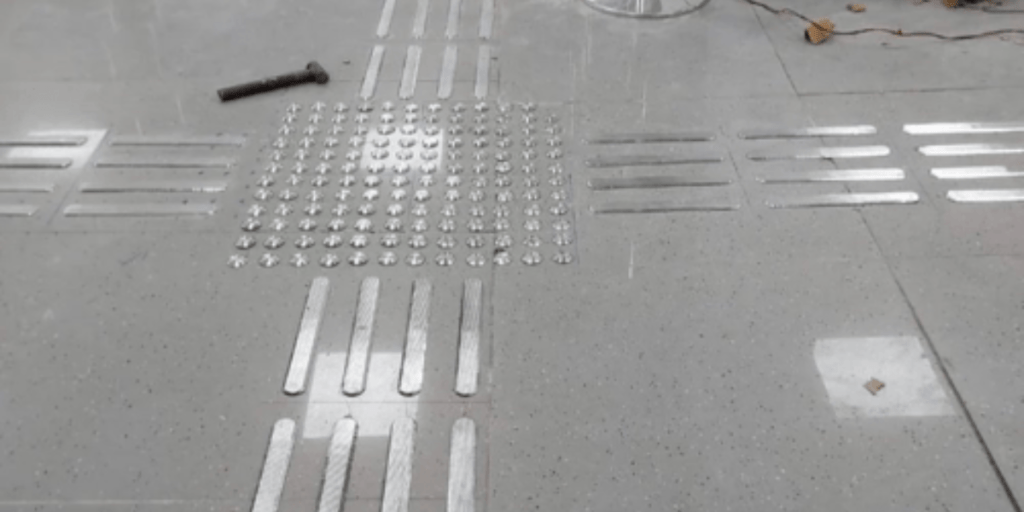
- Raised domes are one of the most widely used tactile patterns. They provide a distinct texture underfoot that signals a change in walking surface or an upcoming hazard.
- Applications: Pedestrian crossings, platform edges, sidewalks.
- Advantages: Easy to detect, durable, and compliant with Australian standards.
2. Ribbed or Linear Tactile Strips
- Ribbed strips feature parallel lines that guide the visually impaired in a specific direction. They are designed to indicate safe pathways rather than warnings.
- Applications: Indoor corridors, staircases, ramps.
- Advantages: Smooth guidance, blends well with modern architecture, low maintenance.
3. Hybrid Tactile Strips
- Hybrid strips combine raised domes and ribbed patterns in a single design. This type helps in areas where both warnings and directional guidance are needed.
- Applications: Complex environments like airports or train stations.
- Advantages: Multi-functional, highly durable, visually appealing.
4. Custom Stainless Steel Tactile Strips
- AS Enterprise also provides custom tactile strips designed to match specific project requirements. Clients can choose different finishes, sizes, and patterns to align with the overall design theme.
- Applications: Commercial spaces, luxury hotels, public plazas.
- Advantages: Tailored solutions, high-quality stainless steel, and long-lasting.
Conclusion
SS tactile strips are more than just a safety feature—they are a crucial element of accessible, inclusive, and well-designed spaces. For organisations across Australia, installing high-quality stainless steel tactile strips ensures pedestrian safety, compliance with regulations, and a professional aesthetic. We are the best SS Tactile Strip Exporter From India.
AS Enterprise, a leading SS Tactile Strip Supplier in Australia, combines quality, customisation, and nationwide reach to deliver tactile strips that meet all safety standards and design requirements. Whether you’re managing a commercial project, public space, or healthcare facility, AS Enterprise provides reliable, long-lasting solutions that ensure safety and inclusivity for all.